
Emergency Cash for a Burst Pipe or Flooding Home Repair
A burst pipe can cost thousands before insurance pays. See typical repair ranges and how to prepare a fast short term loan request for emergency cash.

By Georgia Meyer
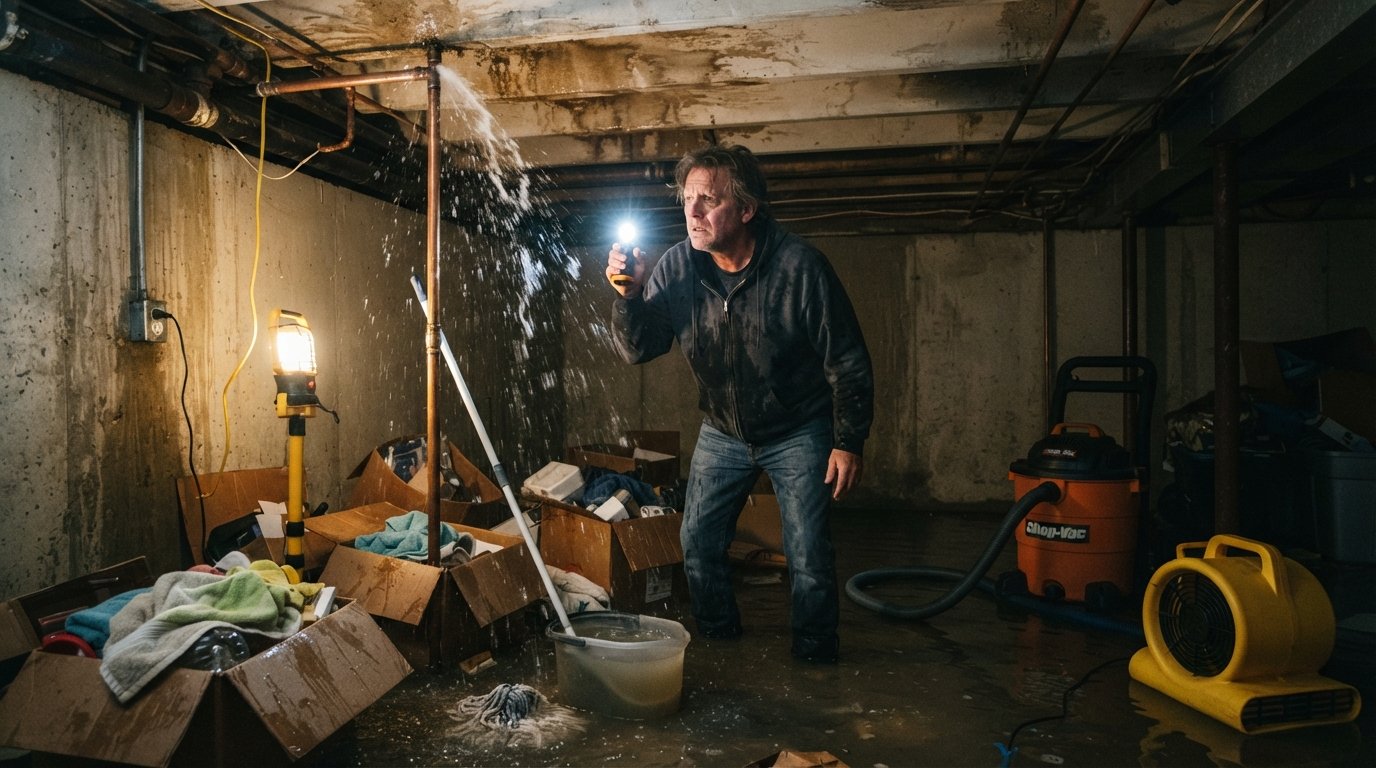
Water is pouring through your ceiling, or your basement is filling up fast. The plumber is on the way, but the estimate for a burst pipe or flooding repair can run into the thousands, and your emergency fund is thin. You need a realistic plan for emergency cash for a burst pipe or flooding home repair, and you need it today, not after a week of paperwork. This guide walks you through typical repair costs, why insurance checks often arrive after the bill, how to prepare a fast short term loan request, and what to ask a lender before you sign. It also shows how to build a small maintenance fund so the next surprise costs less.
What a Burst Pipe or Flooding Repair Really Costs
The first number homeowners hear is the plumber's emergency call-out fee, but that is rarely the whole bill. A burst pipe can soak drywall, insulation, flooring, and cabinetry within hours. The total out-of-pocket cost depends on where the pipe failed, how long water ran, and whether the damage reached structural materials or electrical systems. In most U.S. markets, a straightforward pipe repair with minimal water damage lands in the low four figures, while a significant flooding event that requires drying equipment, drywall replacement, and flooring can climb well past $10,000.
It helps to separate the bill into two buckets: plumbing and restoration. Plumbing covers locating and fixing the failed pipe, which might involve cutting into walls or slab. Restoration covers water extraction, industrial drying, mold prevention, and rebuilding. Emergency tradespeople often charge premium rates for nights and weekends, and restoration crews may bill for equipment rental by the day. If you only budget for the plumber, you may come up short when the restoration invoice arrives.
A realistic planning range for a moderate burst pipe event with some water damage is roughly $1,500 to $6,000. Severe flooding that affects multiple rooms, requires mold remediation, or damages a finished basement can exceed $10,000 to $20,000. These figures vary by region and by how quickly you stop the water. Shutting off the main valve fast is the single biggest factor in keeping the bill low.
Why Insurance Money Often Arrives After the Repair Bill
Homeowners insurance may ultimately cover much of the damage, but reimbursement rarely moves at the speed of an emergency. The process usually starts with a claim, then an adjuster visit, then a scope of work, then approval, then payment. Each step takes days. In the meantime, the plumber wants payment, the restoration crew wants a deposit, and the drying equipment is running on your dime. Even a well-covered claim can leave you fronting thousands of dollars for weeks.
There are a few practical reasons for the lag. Adjusters are busy after regional storms, so scheduling can slip. Insurers may request documentation, photos, and receipts before releasing funds. If the cause is unclear (for example, a pipe that failed due to a slow leak versus a sudden freeze), the insurer may investigate further. Some policies also require you to mitigate damage immediately, which means you cannot wait for approval before calling a restoration company. You have to act, and that means paying first and getting reimbursed later.
This gap is exactly where emergency cash for a burst pipe or flooding home repair becomes useful. A short term loan can cover the immediate tradespeople and equipment while the claim moves through review. The key is to borrow only what you need, understand the repayment timeline, and avoid turning a temporary cash flow gap into a long term debt problem. If you are exploring fast funding options, a service like emergency cash advances in Houston can illustrate how a single online request connects you with lenders who review your information and may present offers, though terms and approval always come from the individual lender.
How to Prepare a Short Term Loan Request Quickly
When water is damaging your home, speed matters, but so does accuracy. Lenders reviewing a short term request want to see a clear picture of who you are, what you earn, and what you need. Having your information organized before you apply can shorten the process from hours to minutes. Gather your personal identification, proof of income (pay stubs or benefit statements), your banking details for direct deposit, and a rough estimate of the repair cost. If you have a contractor's written estimate or a plumber's invoice, keep it handy, because it gives the lender context for the amount you are requesting.
Before you submit anything, decide on a realistic borrowing amount. Borrowing the full worst case scenario when a smaller amount covers the immediate emergency can create unnecessary repayment pressure. A sensible approach is to cover the urgent tradespeople and mitigation now, then revisit the budget once the insurer's scope of work is clearer. Many platforms let you request an amount and then compare offers, so you can see the cost of borrowing before committing.
Here is a practical sequence for preparing your request:
- Stop the water and document everything with photos and video before cleanup begins.
- Get a written estimate from the plumber and, if possible, the restoration company.
- Add up the amounts due in the next 7 to 14 days, not the entire project.
- Gather ID, income proof, and banking details, then submit one request and compare offers.
- Read the repayment schedule before accepting, and confirm the first payment date.
After you submit, review each offer carefully. Look at the total repayment amount, not just the monthly payment, and check whether there are origination fees or prepayment penalties. If an offer feels confusing, ask the lender to explain it in plain language before you accept. A reputable lender will welcome the questions. You can also use a loan connection service that presents multiple options, which makes comparison easier than calling lenders one by one. For consumers seeking short term options, 4Payday is an example of a financial services site that connects borrowers with lenders offering payday, personal, and installment loans, and reviewing several sources can help you judge what is typical.
Questions to Ask a Lender About Repayment During Repairs
The repair itself is stressful enough without repayment surprises. Before you accept any short term loan, ask specific questions about how and when you will pay it back, especially if your insurance reimbursement is still pending. The answers will tell you whether the loan fits your cash flow or whether it will add pressure during an already difficult month.
Start with the first payment date. Some lenders expect the first payment within two weeks, while others allow a month. If your insurance check is not expected for 30 days, a two week first payment could be a problem. Ask whether the lender offers any flexibility, such as a longer first payment window or a repayment schedule that aligns with your pay cycle. Also ask about the total cost of borrowing: the finance charge, the annual percentage rate, and any fees. A loan that looks small can become expensive if fees are added at origination or if late payments trigger penalties.
Here are the questions worth writing down before you call or apply:
- When is the first payment due, and how does that date align with my payday?
- What is the total amount I will repay, including all fees and interest?
- Are there penalties for paying off the loan early?
- What happens if a payment is late, and is there a grace period?
- Can I change the due date if my insurance reimbursement is delayed?
The answers should be clear and documented. If a lender cannot or will not explain the repayment terms plainly, that is a signal to look elsewhere. Responsible borrowing means understanding the obligation before you accept it, not after the first payment is due. Short term loans are best used as a bridge for a defined emergency, not as a long term solution for ongoing expenses.
Preventing the Next Emergency With a Small Maintenance Fund
Once the water is dry and the repairs are done, the last thing you want is a repeat performance. A small, dedicated home maintenance fund is the most effective defense against the next burst pipe, failed water heater, or appliance leak. The goal is not to save the full cost of a worst case repair overnight. The goal is to build a cushion that covers the emergency call-out fee and the first day of mitigation, which buys you time to make a better financial decision.
A practical target is $1,000 to $2,500 set aside specifically for home emergencies, separate from your general savings. Start with a small automatic transfer each payday, even $25 or $50, and treat it like a bill. Over a year, that habit can cover a plumber's emergency visit and a few hours of water extraction. Pair the fund with simple prevention: know where your main water shutoff valve is, insulate pipes in unheated spaces, and schedule a yearly inspection of your water heater and supply lines. These steps cost little and can prevent the kind of flooding that requires emergency cash in the first place.
If you do need to borrow for a repair, plan the repayment into your budget immediately. Set a reminder for the first payment date, and if your insurance reimbursement arrives before the loan is paid off, consider using part of it to reduce the balance. That keeps the loan temporary and protects your credit. The combination of a small maintenance fund, fast access to a short term loan when needed, and a clear repayment plan is what turns a home emergency from a financial crisis into a manageable event.
When a pipe bursts or flooding threatens your home, acting quickly protects your property, and having a funding plan protects your finances. Estimate the immediate cost, document the damage for insurance, prepare a focused short term loan request, and ask lenders the repayment questions that matter. With the right information and a small maintenance fund in place, you can handle the emergency today and be better prepared for the next one.