
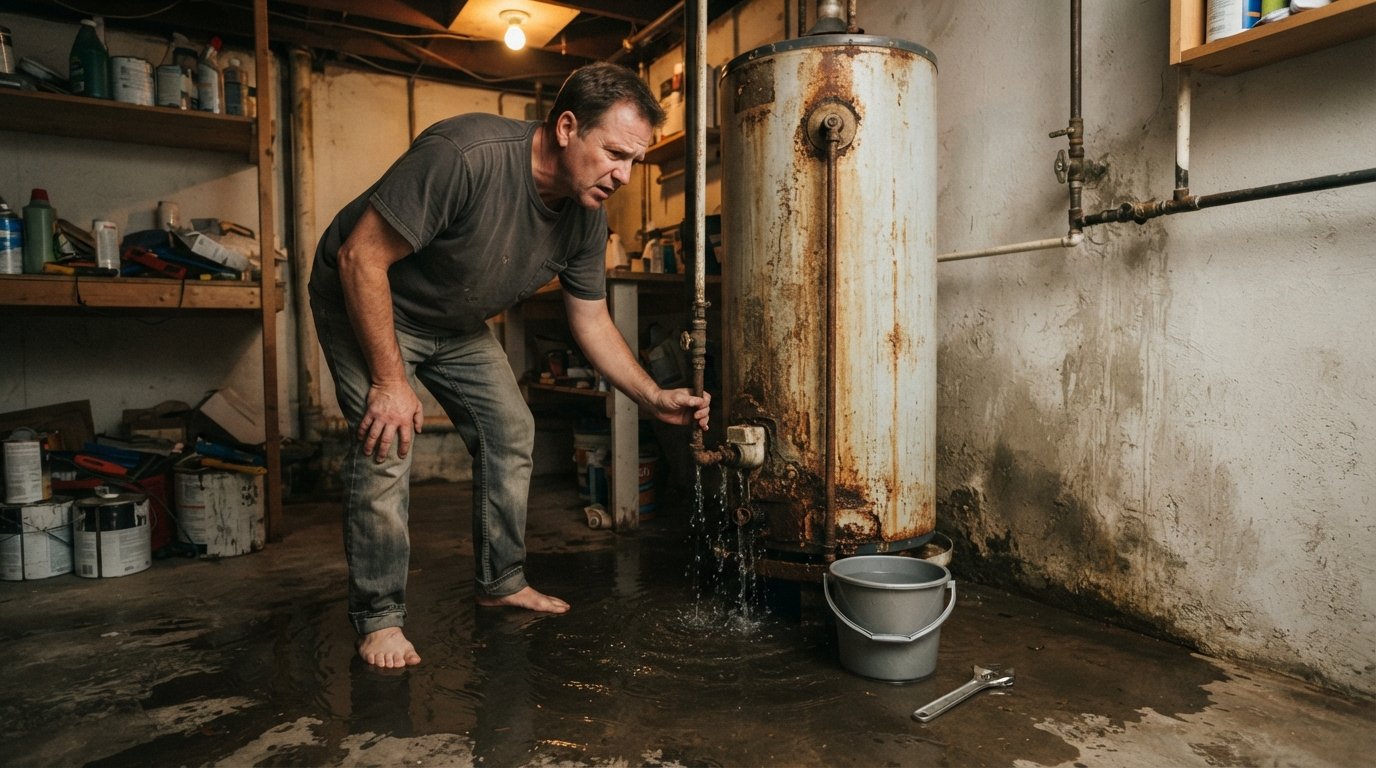
Short Term Loan for a Broken Water Heater Replacement
A short term loan for a broken water heater replacement can restore hot water fast. Learn how to size your loan to the quote and repay it quickly.

By Emily Parker
A cold shower is annoying. A cold shower with no hot water for days is a crisis, especially when you have a family, a job, and a budget that did not plan for a four-figure plumbing bill. When your water heater fails, you need hot water back fast, and you need a way to pay for it without draining every last dollar in your checking account. That is where a short term loan for a broken water heater replacement can bridge the gap between the emergency and your next paycheck or savings goal.
This guide walks you through the real costs, how to size your loan request to the actual quote, how fast funds can arrive, and how to repay the money without turning a one-time repair into a long-term debt problem. The goal is simple: get your hot water back, keep your finances stable, and avoid overpaying for the convenience of fast cash.
Why a Water Heater Failure Is a Financial Emergency
Water heaters rarely give you a polite warning. They typically fail in one of two ways: a sudden leak that floods the utility room, or a complete loss of hot water with no obvious cause. Either way, you are facing an urgent repair or replacement, and plumbers know it. Emergency calls often carry premium rates, and the unit itself can cost more than a typical monthly car payment.
The bigger problem is timing. Most households do not keep a dedicated emergency fund large enough to cover a full water heater replacement. According to consumer finance surveys, a large share of Americans would struggle to cover a $1,000 unexpected expense without borrowing. A water heater sits squarely in that range, and if you have to pay for emergency service, haul-away, and permit fees on top of the unit, the total can climb quickly.
That combination of urgency, limited savings, and the need for a licensed professional is exactly why a short term loan for a broken water heater replacement makes sense for many homeowners. You are not borrowing to splurge. You are borrowing to restore a basic necessity and prevent further damage, such as water damage from a leaking tank.
Typical Replacement Costs and How to Size Your Loan Request
Before you apply for any loan, you need a realistic number. The cost of a water heater replacement depends on the type of unit, the size of your home, local labor rates, and whether any code upgrades are required. For a standard tank water heater, most homeowners pay somewhere between $800 and $1,800 installed. Tankless units run higher, often $2,500 to $4,500 or more, because they require venting and gas line adjustments.
Those figures are national averages. In high-cost metro areas or during an emergency call on a weekend, your quote could be higher. That is why you should never guess at the amount you need. A written estimate is your most important tool for sizing a loan request accurately.
A written estimate should include the following line items:
- The unit itself, including brand, capacity, and warranty terms
- Labor for removal of the old unit and installation of the new one
- Haul-away and disposal fees for the old heater
- Permit costs, if your municipality requires one
- Any code upgrades, such as expansion tanks, pan drains, or venting changes
Once you have that estimate in hand, add a small buffer of 10 to 15 percent for surprises. Older homes often reveal corroded fittings or inadequate venting once the old unit comes out. If the estimate is $1,400, requesting $1,600 gives you room to absorb a minor complication without needing a second loan. What you should not do is borrow a round number like $3,000 just because it feels safer. Over-borrowing means paying interest on money you do not need, and that turns a repair into a more expensive event than it has to be.
How Fast Can Funds Arrive for an Urgent Repair?
Speed matters when your water heater is leaking or your family has gone two days without hot water. Traditional bank loans can take days or weeks to process, and a home equity line of credit requires an appraisal and underwriting that simply does not fit an emergency timeline. That is why many homeowners turn to online loan connection services that work with a network of third-party lenders.
With a service like FundingCashLoans, you complete one simple request form and may be matched with lenders who can review your information quickly. If approved, funds can sometimes arrive as soon as the next business day, depending on your bank and the lender's disbursement process. That timeline is realistic for many urgent home repairs, but it is not guaranteed. You should always confirm the expected funding date with the lender before you commit.
When you are comparing options, ask each lender two questions: when will the money hit my account, and are there any fees for expedited funding? Some lenders charge a fee for same-day or next-day transfers, and that cost should factor into your total. If your plumber can schedule the install for the day after funding, you may not need the fastest option available. Matching the funding speed to the repair schedule can save you money.
Small Personal Loan vs. Installment Loan for a Water Heater
Once you know how much you need, the next decision is the loan structure. Two common options for this kind of expense are a small personal loan and an installment loan. They sound similar, but the repayment terms can differ in ways that matter for your budget.
A small personal loan is typically a lump sum borrowed for a defined purpose or with no stated purpose, repaid over a set period with fixed monthly payments. If you borrow $1,500 for a water heater and repay it over 12 months, you know exactly what you owe each month. That predictability is valuable when you are already stretching to cover the repair.
An installment loan is also repaid in installments, but the term structure can vary more widely. Some installment loans have shorter terms, which means higher monthly payments but less total interest. Others stretch the term, which lowers the monthly payment but increases the total cost. For a one-time repair like a water heater, a shorter term is usually the better choice if you can afford the payment, because you get out of debt faster and pay less overall.
Here is a simple framework for choosing:
- Calculate the total repair cost from your written estimate, plus a 10 to 15 percent buffer.
- Decide how much you can comfortably repay each month without missing other bills.
- Compare the total repayment cost across at least two loan offers, not just the monthly payment.
- Choose the shortest term you can afford, so the debt ends as quickly as possible.
If you are waiting on other money to arrive, such as a settlement or reimbursement, you may also want to read about getting a short term loan while waiting for a workers comp settlement, since the timing and repayment considerations overlap with any bridge-financing decision.
Repaying Without Turning a Repair Into Ongoing Debt
The biggest risk with any emergency loan is that it becomes a permanent part of your financial life. A water heater is a one-time expense, and your loan should be treated the same way. The moment the repair is done, your focus should shift to eliminating the balance as fast as your budget allows.
One effective strategy is to make one extra payment as soon as you have it. If you receive a tax refund, a work bonus, or a reimbursement, apply it directly to the loan principal. Even a modest extra payment early in the term can reduce the total interest you pay. Another strategy is to set up automatic payments for a date just after each paycheck, so you never miss a due date and never incur a late fee.
You should also avoid the trap of re-borrowing. Once the water heater loan is paid off, redirect that same monthly payment into a household emergency fund. If you can save the amount you were paying toward the loan for six months, you will have a cushion for the next unexpected repair. That habit is what separates a one-time emergency from a repeating cycle of debt.
Finally, read every loan agreement carefully. Understand the annual percentage rate, the total repayment amount, and any prepayment penalties. A reputable lender will disclose these clearly. If the terms are confusing, ask questions before you sign. Responsible borrowing means knowing exactly what you are agreeing to.
When to Use a Loan Connection Service
Not every homeowner needs a loan for a water heater. If you have an emergency fund or a low-interest credit card with available credit, those options may cost less. But if you are facing a failed unit, limited savings, and a plumber who needs payment before the install, a short term loan for a broken water heater replacement can be a practical bridge.
Loan connection services are designed for exactly this situation. You submit one request, and participating lenders may present offers. You are not obligated to accept any offer, and you can compare terms before deciding. The key is to borrow only what the written estimate requires, choose the shortest affordable term, and repay the balance quickly. Done that way, a short term loan restores your hot water without disrupting your long-term financial health.