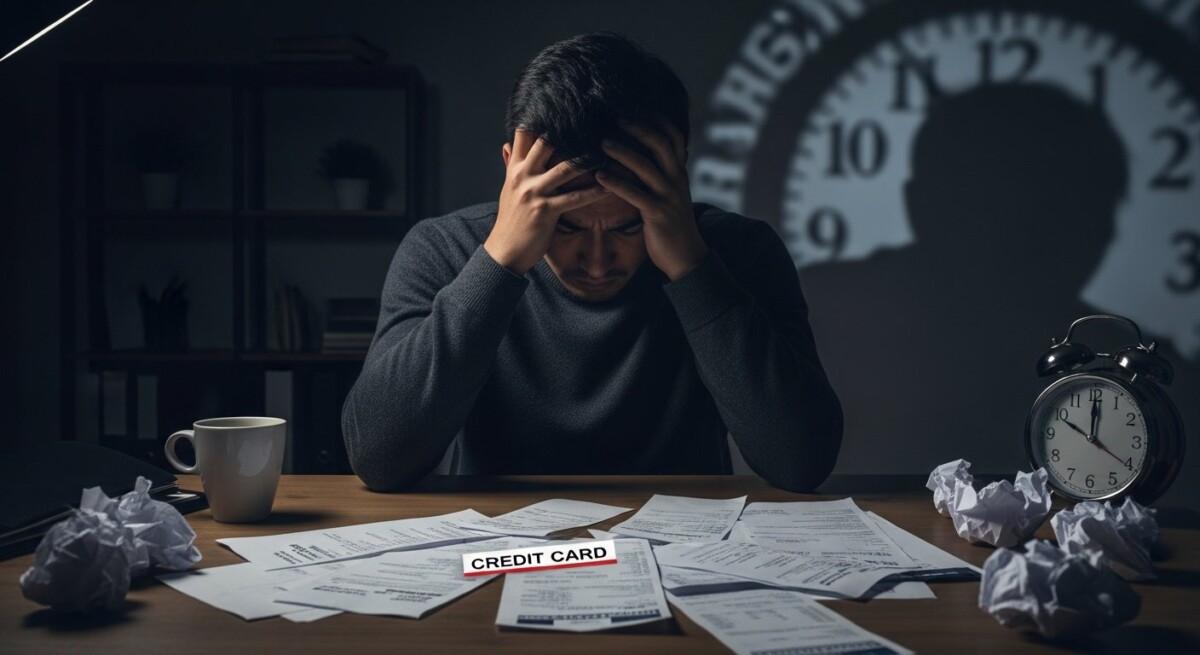

Missing a single payment on a cash advance is a serious financial event that triggers immediate consequences. Unlike a standard credit card purchase, a cash advance is a high-cost loan with stringent terms. The moment you miss that due date, a cascade of fees, interest hikes, and credit damage begins, often catching borrowers off guard. Understanding the precise sequence of events is crucial to mitigating the damage and regaining control of your finances. This guide details what unfolds after a missed payment and provides a clear path forward.
The Immediate Aftermath of a Missed Payment
Financial institutions do not wait long to act when a cash advance payment is late. The repercussions are swift and costly, designed to penalize the lapse and incentivize immediate repayment. Your grace period, if you had one, is instantly void. The first and most immediate impact is a substantial late fee. This fee is not trivial, often ranging from $25 to $40 or a percentage of the missed payment, whichever is higher. This charge is added directly to your outstanding balance, increasing the total amount you owe before additional interest is even calculated.
Simultaneously, the card issuer will likely invoke a penalty APR (Annual Percentage Rate). This is perhaps the most damaging immediate effect. The attractive introductory rate or even your standard purchase APR is replaced with a significantly higher penalty rate, sometimes exceeding 30%. Critically, this punitive rate doesn’t just apply to new cash advances, it often applies to your entire existing credit card balance. The interest compounds daily on the now-larger balance, causing your debt to balloon at an alarming rate. For those exploring best same-day cash advance options, it’s vital to understand that speed of funding must be balanced with a concrete repayment plan to avoid this trap.
Credit Score Damage from a Single Missed Payment
The negative impact on your credit score is a guaranteed outcome of missing a cash advance payment. Payment history is the single most influential factor in your FICO and VantageScore calculations, accounting for 35% of your score. Once your payment is 30 days past due, the lender will report the delinquency to the three major credit bureaus: Equifax, Experian, and TransUnion. This single late payment can remain on your credit report for seven years, though its impact diminishes over time with consistent, on-time payments afterward.
A drop of 100 points or more is not uncommon, especially for those with previously good or excellent credit. This drop has far-reaching implications beyond your current card. It affects your ability to secure new credit, such as auto loans or mortgages, and will result in much higher interest rates if you are approved. Landlords, insurers, and even some employers may view your credit report, making this one missed payment a hurdle in multiple areas of your life. Rebuilding requires a disciplined approach, which you can learn more about in our resource on how a cash advance affects your credit score.
Long-Term Financial and Contractual Consequences
The fallout from a missed payment extends beyond the first month. If the account remains delinquent, the problems compound. After 60 days, another late fee may be assessed, and the account may be flagged for further action. The lender’s collections department may begin contacting you, which can be stressful and persistent. If the delinquency reaches 180 days (approximately six months), the lender will typically charge off the account. A charge-off is an accounting declaration that the debt is unlikely to be collected, but it does not absolve you of the obligation to pay. The charged-off account is a severe negative mark on your credit report.
Furthermore, other creditors may take adverse action against you through a mechanism called “universal default.” Even if you are current on all other accounts, those lenders may review your credit report, see the new delinquency on your cash advance, and decide to raise your interest rates on their products as well, deeming you a higher risk. Your existing credit limits may also be reduced, lowering your available credit and hurting your credit utilization ratio, another key scoring factor. This creates a domino effect that can destabilize your entire financial profile.
Steps to Take Immediately After Missing a Payment
If you have missed a payment, swift and strategic action is your best defense. Panicking or ignoring the problem will only make it worse. Follow these steps in sequence to minimize damage.
- Make the Payment Immediately: Do not wait for the next statement cycle. Log in to your account or call the lender and make the missed payment as soon as you possibly can. Even a payment a few days late is better than letting it roll into the next billing cycle, which triggers the 30-day delinquency reporting.
- Contact Your Lender: Call the customer service number on the back of your card. Be polite and explain your situation honestly (e.g., unexpected expense, simple oversight). Ask if they can waive the late fee as a one-time courtesy, especially if you have a previously good payment history. In some cases, they may agree. More importantly, inquire if they can refrain from applying the penalty APR or if you can have it removed after making several consecutive on-time payments.
- Prioritize Future Payments: Adjust your budget to ensure your cash advance payment is now your top financial priority. Set up automatic payments for at least the minimum due to prevent another lapse. If you need to access funds again, ensure you use reputable fast cash advance services with transparent terms, but only if absolutely necessary.
- Monitor Your Credit Reports: About 30-45 days after the missed payment, check your credit reports from AnnualCreditReport.com to confirm how the lender reported it. Ensure they are not reporting it as more than 30 days late if you paid it within that window. Dispute any inaccuracies with the credit bureau and the lender.
Following these steps demonstrates responsibility and can help you regain some footing. The key is proactive communication and a renewed commitment to your repayment schedule.
Preventing Future Missed Payments
Prevention is fundamentally more effective than damage control. To ensure you never face this situation again, implement robust financial safeguards. Start by building a small emergency fund, even if it’s just a few hundred dollars, to cover unexpected costs without resorting to high-interest cash advances. If you must use a cash advance, borrow the absolute minimum amount you need. Review your budget and identify non-essential expenses you can temporarily eliminate to free up cash for repayment.
Technology is your ally. Use calendar alerts on your phone for payment due dates, or even better, set up automatic payments directly from your checking account for at least the minimum payment. You can always pay more manually later. If you are consistently struggling to make payments, contact your lender before you miss one to discuss hardship programs. They may offer a temporary reduction in your minimum payment or interest rate. Finally, consider credit counseling from a non-profit agency. A counselor can help you create a sustainable budget and may facilitate a Debt Management Plan (DMP) to consolidate and pay down your debts, including cash advances, under better terms.
Frequently Asked Questions
Will my lender report a missed payment if I pay it within a week?
Most lenders have a grace period of a few days after the due date before assessing a late fee, but the cutoff for reporting to credit bureaus is typically 30 days past due. If you pay the full minimum amount before it reaches 30 days late, it should not be reported as a delinquency, though you may still incur a late fee.
Can I get a late fee removed after paying it?
Yes, it is possible. Contact your lender, politely request a one-time courtesy waiver, and emphasize your history as a good customer (if applicable). Success is not guaranteed but is more likely if this is your first offense.
How long will a missed payment affect my credit score?
The late payment will stay on your credit report for seven years from the original delinquency date. However, its impact on your score lessens significantly over time, especially if you build a consistent record of on-time payments afterward. After two years, the effect is usually much smaller.
What if I can’t afford the minimum payment at all?
Ignoring it is the worst option. Immediately call your lender to explain your financial hardship. They may have temporary forbearance or hardship programs. Simultaneously, seek advice from a non-profit credit counseling agency to explore all your options, including debt management plans.
Does missing a cash advance payment affect my ability to get a mortgage?
Absolutely. Mortgage underwriters scrutinize payment history. A recent missed payment, especially within the last 12-24 months, signals risk and can lead to a loan denial or approval only at a significantly higher interest rate, costing you tens of thousands over the life of the loan.
Missing one cash advance payment is a significant financial misstep, but it is not irrecoverable. The path to recovery hinges on immediate action, honest communication with your lender, and a disciplined plan to prevent recurrence. By understanding the full scope of consequences, from punitive APRs to credit score damage, you can make informed decisions to navigate out of debt and rebuild a stronger financial foundation. Treat this experience as a critical lesson in the high-stakes nature of short-term borrowing.


About Tessa Caldwell
Related Posts