
How to Cover an Emergency Home Repair Without Savings
Need to cover an emergency home repair without savings? Get practical funding options and a repayment plan. Call 8335013363 for guidance.

By Sophia Hayes
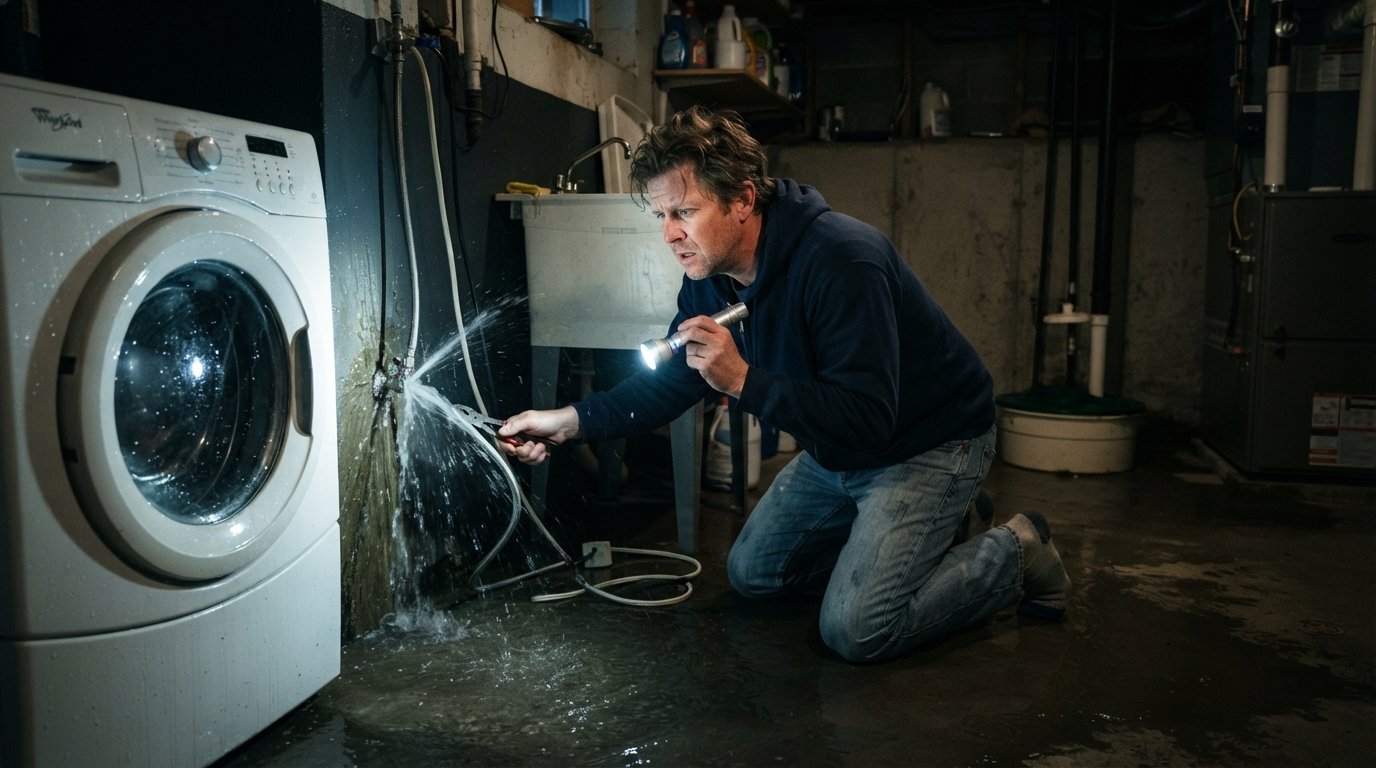
A pipe bursts behind the washing machine at 11 p.m., the furnace dies during the first cold snap of the year, or the roof starts leaking directly over your bed. These moments do not wait for payday, and they rarely arrive when your emergency fund is fully stocked. If you are staring at a repair estimate with an empty savings account, you are not out of options. The key is knowing which funding paths exist, which ones make sense for your situation, and how to avoid turning a repair crisis into a long-term debt problem.
This guide walks through practical ways to cover an emergency home repair without savings. It covers immediate steps to take, short-term borrowing options, negotiation tactics, and the habits that keep a single repair from snowballing into months of financial strain. The goal is not just to get the money today, but to get it in a way that you can realistically repay.
Start With the Steps That Cost Nothing
Before you apply for any loan or swipe a credit card, take a breath and protect what you already have. The first hour after a home emergency is about limiting damage and gathering information, not panicking. A burst pipe gets worse every minute. A small roof leak can rot decking within days. Stopping the damage early can cut the final repair bill by hundreds or thousands of dollars, which directly reduces how much money you need to find.
Shut off the water main if plumbing is involved, kill power to affected areas if it is safe to do so, and move furniture or valuables out of the path of water. Then call your homeowner's or renter's insurance company. Many policies cover sudden and accidental damage, even if they exclude gradual wear and tear. Filing a claim can shift a large portion of the cost to your insurer, which may leave you responsible only for your deductible. That deductible is often far smaller than the full repair bill.
While you wait for the adjuster, collect documentation. Take photos and short videos of the damage, keep receipts for any emergency materials you buy, and write down dates and times. Insurers process claims faster when the evidence is clear. If your policy does not cover the repair, ask the agent to explain exactly why and whether any partial coverage applies. A denied claim is not always the final word.
Ask the Contractor About Financing and Payment Plans
Many homeowners assume they must pay the full amount upfront. That is often not true. Established plumbing, HVAC, roofing, and electrical companies frequently offer in-house financing or work with third-party financing partners. These programs can spread the cost over months or years, sometimes with promotional zero-interest periods for qualified applicants. Even if you do not qualify for the best terms, a payment plan can turn a four-figure bill into manageable monthly installments.
It also helps to ask for a detailed written estimate and to get at least two or three quotes when time allows. The difference between the highest and lowest bid on the same job can be substantial. Do not automatically choose the cheapest option, because cut-rate work often fails and costs more later, but use the quotes as leverage. A contractor who wants your business may be willing to match a competitor's price or split the job into phases so you can pay for the most urgent work first.
If the repair is not immediately dangerous, ask whether it can be scheduled for a few weeks out. That gives you time to receive a paycheck, sell an unused item, or arrange financing without the pressure of an emergency surcharge. Some contractors also offer discounts for off-season work or for paying a portion upfront and the rest on completion. These arrangements are negotiable more often than people realize.
Use Short-Term Lending as a Bridge, Not a Solution
When insurance, savings, and payment plans are not enough, short-term lending can bridge the gap. This is where a service like CashLoanFunded fits in. CashLoanFunded is a financial services platform that connects potential borrowers in the United States with a network of third-party lenders, offering access to short-term loan options such as payday loans, installment loans, and personal loans. The site targets individuals facing urgent financial needs, including those with various credit backgrounds, and emphasizes a simple online application process. For a homeowner facing a repair bill that cannot wait, this kind of connector service can present multiple lender offers from a single request, which saves time compared to applying to each lender separately.
It is important to understand what you are getting into. Short-term loans can carry high fees and interest rates, and they are designed to be repaid quickly. They work best when you have a clear plan to repay within the loan term, not when you are using them to cover a gap that will still exist next month. Before accepting any offer, read the terms carefully: the annual percentage rate, the repayment schedule, any origination fees, and the consequences of a late payment. If the total cost of the loan would make it impossible to cover your other essential bills, it is the wrong tool for the job.
For a more detailed look at how these options work when you do not have a credit card available, our guide on how to cover a car repair without a credit card walks through similar scenarios and can help you compare approaches. The principles overlap: match the loan term to the urgency of the repair, borrow only what you need, and avoid stacking multiple loans at once.
Explore Credit Cards, Personal Loans, and Home Equity Options
If you have any available credit, a credit card can be the fastest way to pay for a repair. The key is to use a card with a manageable interest rate and to have a plan to pay off the balance before interest compounds. A 0% introductory APR card can be especially useful if you can repay the balance within the promotional period. Just be aware that many contractors charge a convenience fee for card payments, and that fee can eat into the benefit.
Personal loans from banks, credit unions, or online lenders are another option. These are installment loans with fixed monthly payments, which makes them easier to budget for than revolving credit. Credit unions often offer lower rates to members, and some have emergency loan programs specifically for unexpected expenses. Approval depends on your credit score, income, and debt-to-income ratio, but it is worth checking even if your credit is not perfect.
If you own your home and have built equity, a home equity line of credit (HELOC) or a home equity loan can provide lower-interest funds for major repairs. These options take longer to set up than a payday or personal loan, so they are better for planned or non-urgent repairs. They also put your home on the line, which makes them a serious commitment. Still, for a large repair like a roof replacement or foundation work, the lower interest rate can save thousands over the life of the loan.
Here is a quick comparison of common short-term funding sources:
- Payday loans: Fast approval, small amounts, very high fees; best for very short gaps.
- Installment loans: Larger amounts, fixed payments, moderate to high rates; best for predictable repayment.
- Credit cards: Immediate access, variable rates, potential 0% intro periods; best if you can repay quickly.
- Personal loans: Fixed rates and terms, requires decent credit; best for medium-sized repairs.
- Home equity options: Lowest rates, longer approval, uses home as collateral; best for major repairs.
Each option has trade-offs. The right choice depends on how much you need, how fast you need it, and how confident you are in your ability to repay. Never take on a loan without running the numbers first.
Tap Into Community and Government Assistance Programs
Not everyone realizes that help may be available through local, state, and federal programs. Nonprofits, churches, and community action agencies often have emergency funds for homeowners facing urgent repairs, especially for health and safety issues like heating, plumbing, or roof leaks. These programs may offer grants, zero-interest loans, or direct payment to contractors. The application process can take time, but the cost savings are worth the effort.
Government programs like the Department of Housing and Urban Development (HUD) and state housing finance agencies sometimes offer repair loans or grants for low-income homeowners. Eligibility is usually based on income, location, and the type of repair. Weatherization assistance programs can also help with energy-related repairs like furnace replacement or insulation. To find options in your area, call 211 or visit 211.org, which connects people with local resources.
If you are a veteran, the VA offers home loan programs that may help with repairs. Rural homeowners may qualify for USDA repair loans and grants. These programs are not instant, but they can provide a long-term solution that does not add high-interest debt. It is worth spending an hour researching what you qualify for before committing to a costly loan.
Negotiate With Your Lender or Creditor
If you already have a mortgage or other loans, your lender may be willing to work with you. Some mortgage servicers offer forbearance or deferment options during financial hardship, which can free up cash for the repair. Others may allow you to skip a payment without penalty, though interest may still accrue. It never hurts to call and explain your situation. Be honest about the emergency and ask what options are available.
Similarly, if you have credit card debt, you can ask for a lower interest rate or a temporary hardship program. Some issuers will reduce your minimum payment or waive fees for a few months. These concessions are not guaranteed, but they are more common than people think, especially if you have a history of on-time payments. The worst outcome is that they say no.
When negotiating with contractors, ask about paying in installments or doing the work in stages. For example, you might pay for materials upfront and labor upon completion. Some contractors will accept a post-dated check or a credit card with a small surcharge. Clear communication and a willingness to work together can often produce a payment arrangement that fits your budget.
Build a Small Buffer for Next Time
Once the immediate crisis is handled, the next step is to make sure you are not in the same position again. You do not need a fully funded emergency fund overnight. Start with a goal of $500, then $1,000, then one month of essential expenses. Even a small buffer can cover a minor repair and keep you from needing a loan for every unexpected expense.
Set up a separate savings account and automate a small transfer each payday. Treat it like a bill that must be paid. If you receive a windfall, such as a tax refund or bonus, direct part of it to the fund. Over time, the buffer grows and the stress of homeownership decreases. It also improves your options when a repair is needed, because you can pay cash or negotiate from a position of strength.
Finally, keep a simple home maintenance schedule. Changing filters, sealing gaps, and inspecting the roof and plumbing a few times a year can prevent small issues from becoming expensive emergencies. Prevention is not glamorous, but it is the cheapest form of home repair financing there is.
An emergency home repair without savings is stressful, but it is not hopeless. By combining immediate damage control, insurance claims, contractor negotiations, and carefully chosen short-term lending, you can get through the crisis and protect your home. The key is to act quickly, understand the true cost of each option, and avoid solutions that create a bigger financial problem down the road. With a plan in place, you can handle the unexpected and keep moving forward.