
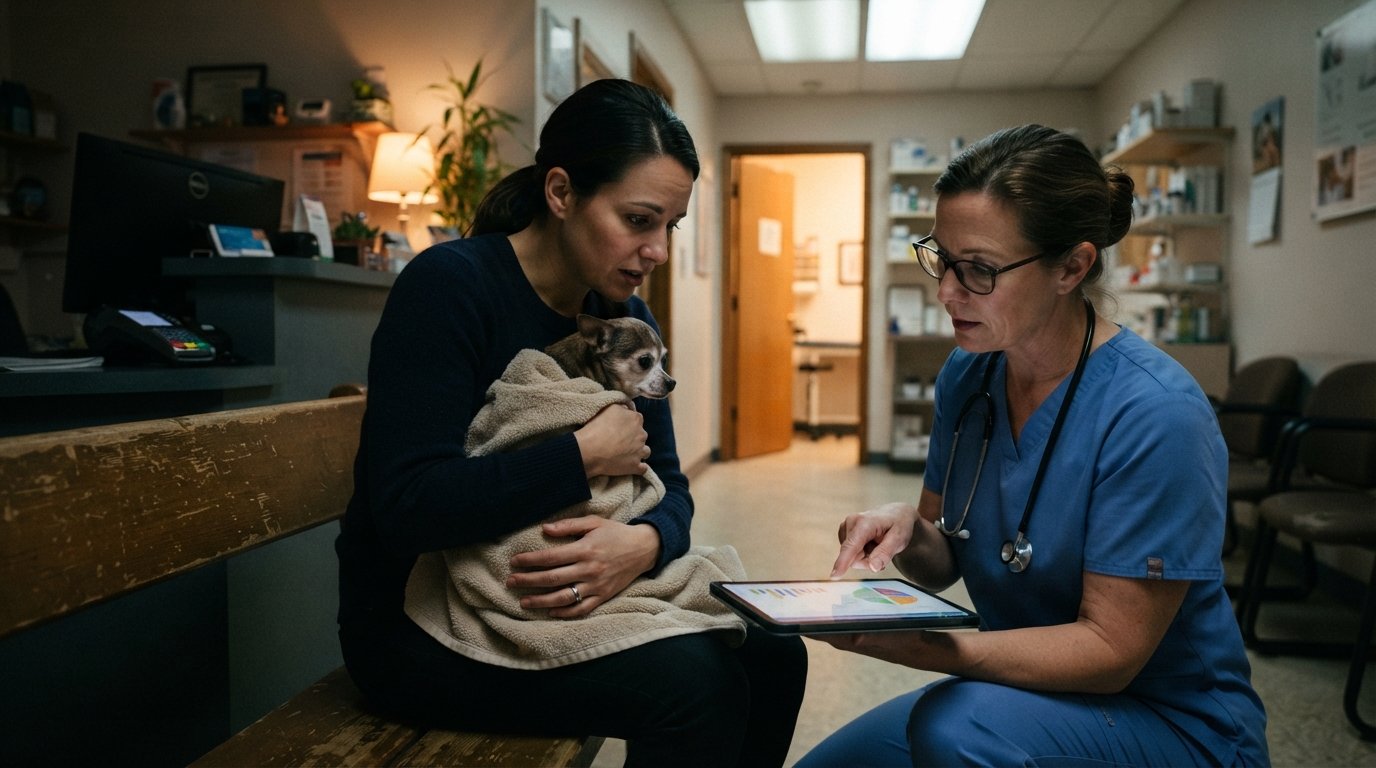
Emergency Money for Vet Bills: Same Day Funding Options
Discover fast ways to cover urgent vet bills, including personal loans, credit options, and pet financing with same day funding.

By Tessa Caldwell
When your pet faces a sudden health crisis, the last thing you want is to delay treatment because of money. A dog that swallows a toy, a cat with a urinary blockage, or a horse with colic can require immediate veterinary care. Costs for emergency visits, diagnostics, and surgery can easily run from several hundred to several thousand dollars. If you do not have that cash on hand, you need to find emergency money for vet bills same day funding options before the clinic will proceed. Acting quickly and knowing where to look can make the difference between life and death for your companion.
This guide explains the fastest ways to secure funds for urgent veterinary care, including personal loans, credit card options, and specialized pet financing. It also outlines practical steps to take when you are at the clinic, so you can focus on your pet instead of panicking about the bill. While no one plans for a pet emergency, having a clear strategy in advance will help you respond effectively when minutes count.
Why Pet Emergencies Create Urgent Financial Needs
Unlike human healthcare, veterinary medicine typically requires payment at the time of service or before discharge. Most clinics do not offer payment plans, and those that do often require a deposit or a credit check. This means that when your pet is rushed in with a critical condition, the veterinarian will likely provide an estimate and ask for a deposit before starting treatment. The bill can escalate quickly if surgery, overnight monitoring, or repeated imaging becomes necessary.
Pet owners often find themselves in a difficult spot because they have not saved enough for an emergency fund. According to the American Pet Products Association, routine veterinary care costs hundreds of dollars per year, but emergency visits can multiply that amount overnight. Even families with solid budgets can be caught off guard by a $3,000 surgery bill. In these moments, the question is not whether you want to pay, but how to access that amount of money quickly without draining your savings or maxing out a credit card that you do not have.
The good news is that several same day funding options exist. The key is understanding the trade-offs between speed, cost, and your credit profile. A short-term personal loan from an online lender can often deposit funds into your account by the next business day. Some lenders even offer same day funding for applications submitted before a certain cutoff time. Credit unions and community banks may offer emergency loans with lower rates, but their approval processes can be slower. Pet-specific financing companies, such as Scratchpay or CareCredit, work directly with veterinary clinics and can approve you in minutes, though they may charge deferred interest if you do not pay within the promotional period.
Same Day Funding Options for Vet Bills
When you need money today, you generally have four main paths: an online personal loan, a cash advance from a credit card, a specialized pet care credit account, or a loan from a family member. Each option has its own timeline and requirements, so let's compare them in detail.
Online Personal Loans
Online lenders have streamlined the application process to deliver funds quickly. Many allow you to apply from your phone, receive a decision in minutes, and see money in your bank account within one business day. Some lenders advertise same day funding if you apply early in the day and your bank supports instant transfers.
To qualify, you generally need a steady income, a checking account, and a credit score that meets the lender's threshold. Many online lenders accept applicants with fair credit, but you will pay higher interest rates than someone with excellent credit. For example, a $2,500 loan with a 36% APR over 12 months would have monthly payments of about $251, total interest of roughly $512. That is costly, but it pales in comparison to the cost of losing your pet.
If you have a less-than-perfect credit history, you may still find lenders willing to work with you. These loans often come with higher rates, but they can be funded quickly. Be sure to read the terms carefully, including any origination fees that are deducted from the loan amount before you receive the funds.
Credit Card Cash Advances
If you have a credit card with an available balance, a cash advance is one of the fastest ways to get money. You can withdraw cash from an ATM, write a convenience check, or request a transfer to your bank account. The process takes minutes, but the cost is significant. Credit card issuers typically charge a cash advance fee of 3% to 5% of the amount, and the APR for cash advances is usually higher than the purchase APR. Additionally, interest starts accruing immediately, with no grace period.
For a $2,000 advance with a 5% fee and a 25% APR, you would owe $100 in fees right away, and interest would compound daily from the moment the transaction posts. If you pay it back within a month, the interest might be around $42, but if you only make minimum payments, the debt can balloon. Some cards also have a lower cash advance limit than your overall credit limit, so check your available cash credit before relying on this method.
Pet-Specific Financing and Care Credit
Many veterinary clinics partner with third-party financing companies that offer promotional terms, such as 0% interest for 6 or 12 months if you pay the balance in full. CareCredit is one of the most widely accepted health and pet care credit cards, and Scratchpay offers installment loans specifically for veterinary expenses. These options require a credit check, but approval can happen within minutes while you are still at the clinic.
The advantage is that you can often get a decision on the spot, and if approved, the clinic can bill the company directly. This saves you from having to front the cash. However, be wary of deferred interest clauses. If you do not pay off the balance by the end of the promotional period, you may be charged interest retroactively from the original purchase date, which can be a huge financial shock. Always read the terms and set a repayment plan that ensures you clear the balance before the promo ends.
Another option is to ask your veterinarian about in-house payment plans. Some clinics offer short-term arrangements, especially for established clients. While not guaranteed, it is always worth asking. You might be able to put down a deposit and pay the rest in installments over a few weeks.
Steps to Get Funds Fast While at the Vet Clinic
When you are sitting in the exam room with a sick pet and a treatment plan, you can take several steps to secure funding without delaying care. Follow this sequence to move quickly:
- Ask the clinic for a written estimate that itemizes all expected costs, including exam fees, diagnostics, procedures, medications, and hospitalization. This helps you know exactly how much you need to borrow.
- Check your available credit and bank balance immediately. If you have a credit card with a high enough limit, you can use it directly to pay the bill, even if you plan to transfer the balance later.
- If you need a loan, apply online with a lender that offers quick decisions and same day or next day funding. Have your ID, proof of income, and bank account details ready.
- Simultaneously, call the clinic to ask if they accept CareCredit or Scratchpay. If they do, apply for one of those accounts while you are still there, as approval can be instant.
- If you have a family member or friend who can lend you money, ask them to send funds via a payment app like Zelle or PayPal, which often transfer instantly.
By following these steps, you can usually secure the necessary funds within an hour or two. The most efficient approach is to combine a credit card or financing account with a personal loan application as a backup. This way, even if one option falls through, you have a plan B.
It is also wise to call your veterinarian's office before you arrive if you know you will need financial assistance. Some clinics have a social worker or financial counselor who can help you explore options, including charitable grants or discounts for low-income pet owners. Organizations like the Pet Fund and RedRover offer limited financial aid for specific conditions, but they have long waiting lists and are not suitable for same day emergencies.
Comparing the Costs of Different Funding Methods
To make a smart decision under pressure, you need to understand the true cost of each option. Below is a rough comparison for borrowing $2,000 over 12 months, assuming you make regular payments.
- Online personal loan: APR 15% to 36%, origination fee 0% to 8%. Total interest ranges from $166 to $432, plus any fees.
- Credit card cash advance: APR 25% to 30%, plus a 3% to 5% fee. Interest starts immediately. If paid off in 12 months, total cost could be $500 or more.
- CareCredit with 0% promo: No interest if paid in full within 6 to 12 months. No fees if you pay on time. This is the cheapest option if you can qualify.
- Scratchpay installment loan: APR varies by term, often around 15% to 35%. No prepayment penalties.
- Payday loan or title loan: APR often exceeds 300%, and these should be avoided unless there is no other option, as they can trap you in a debt cycle.
As you can see, the cost difference is significant. A 0% promotional offer from a pet financing company can save you hundreds of dollars compared to a cash advance. However, these offers require good credit. If your credit is poor, an online personal loan from a lender that works with fair credit borrowers may be your best bet, even if the APR is higher than you would like.
One important note: Do not use a payday loan for a pet emergency. The fees are exorbitant, and the repayment period is typically two weeks, which is not enough time to recover from a large vet bill. Instead, consider asking the clinic if you can make a partial payment and set up a payment plan, or look into a small personal loan from a credit union.
How to Qualify for Same Day Emergency Loans
If you decide that a personal loan is the right route, you can improve your chances of approval and faster funding by preparing in advance. Lenders look at your credit score, income, employment history, and existing debt. To qualify for the best rates, you generally need a FICO score above 670, but many online lenders accept scores as low as 580.
When you apply, the lender will perform a hard credit inquiry, which can temporarily lower your score by a few points. Some lenders offer prequalification with a soft pull, allowing you to see estimated terms without affecting your credit. It is smart to compare offers from a few lenders, but be mindful of the time. If you apply to five lenders in one day, the credit bureaus may treat it as rate shopping, which can minimize the impact on your score.
To speed up the process, have your pay stubs, tax returns, or bank statements ready to upload. Many lenders use automated systems that verify your income electronically, but you may still need to provide documentation. Also, ensure that your bank account can receive instant transfers. Some banks do not support same day ACH credits, which means even if the lender funds the loan immediately, the money might not appear until the next day. Choosing a bank that supports real-time payments, like a major national bank or a modern online bank, can make a difference.
Alternatives to Borrowing When You Have No Other Choice
Sometimes, you may not qualify for a loan or a credit card, and you have no friends or family to turn to. In that situation, you still have a few avenues to explore. First, ask the veterinarian if they can reduce the estimate by offering a more conservative treatment plan. For example, they might be able to stabilize your pet with fluids and pain medication, then schedule surgery for a later date when you can arrange financing. This is not always possible, but it is worth asking.
Second, look into nonprofit organizations that provide emergency veterinary assistance. The Pet Fund, Brown Dog Foundation, and The Mosby Foundation offer grants to owners who demonstrate financial need. However, these organizations have limited funds and may have waiting lists. If you are facing a life-threatening emergency, these grants are unlikely to provide same day help. Still, they can help with follow-up care or future bills.
Third, consider negotiating with the clinic. Some veterinarians are willing to offer a discount for cash payments or to set up a weekly installment plan. You can also ask if they have a compassionate care fund, which some clinics maintain to help clients in crisis. It does not hurt to ask, and the worst they can say is no.
Preparing for Future Pet Emergencies
After you have navigated the current crisis, take steps to prepare for the next one. Start a dedicated pet emergency fund with automatic monthly transfers. Even a small amount, like $25 a week, will grow to $1,300 in a year. Also, consider pet insurance. While insurance does not help with same day costs because you pay upfront and get reimbursed later, it can protect you from large bills in the future. Look for a policy with a high annual limit and a low deductible, and choose one that covers accidents and illnesses, not just routine care.
Another smart move is to establish a relationship with a local veterinarian that offers a wellness plan. Many clinics have membership programs that include routine exams, vaccinations, and discounts on procedures. This can reduce the financial burden of regular care, freeing up more of your budget for emergencies.
Finally, keep a list of emergency funding sources in your wallet or phone. Note down the phone numbers for CareCredit, your credit card issuer, and a reliable online lender. If you have a credit card with a high limit, keep it in a separate place from your daily cards, so you do not use it for non-emergencies. Knowing exactly what you will do when an emergency strikes can reduce stress and help you act decisively.
Final Thoughts on Emergency Funding for Vet Bills
Facing an unexpected vet bill is a stressful experience, but you do not have to make decisions in the dark. By understanding the range of same day funding options, from online personal loans to pet-specific financing, you can choose the one that best fits your situation. Always compare the total cost, including fees and interest, and avoid products with predatory terms like payday loans. If you have time to plan, consider setting aside a small emergency fund or investing in pet insurance to protect your wallet and your peace of mind.
Remember that your veterinarian wants to help your pet. Open communication about your financial limits can lead to alternative treatment plans or payment arrangements that you may not have thought possible. And when you need to access funds quickly, platforms like CashLoanFunded can connect you with lenders who specialize in fast personal loans, helping you bridge the gap until your next paycheck. The most important thing is to act quickly, stay calm, and keep your pet's health as the top priority.