
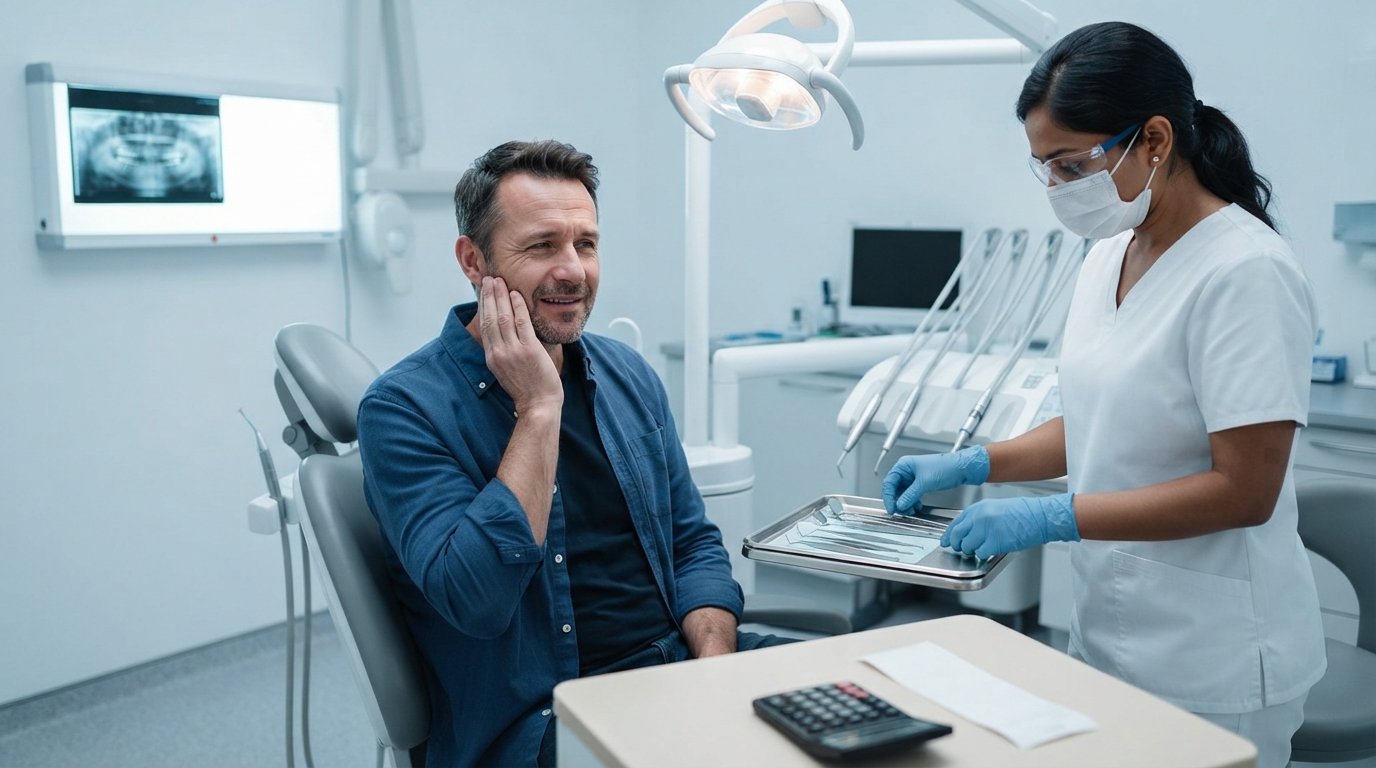
Emergency Dental Work Without Insurance: Cash Loan Options
Emergency dental work no insurance cash loan options can fund a root canal or extraction fast. Compare payday, installment, and personal loans to avoid debt traps.

By Tessa Caldwell
A throbbing toothache at 2 a.m. or a cracked crown from a weekend accident does not wait for payday. When you have no dental insurance, the bill for emergency treatment can feel like a second punch. A root canal, an extraction, or a same-day crown can easily run from several hundred to a few thousand dollars. That is where emergency dental work no insurance cash loan options come into play. They are not a cure-all, but they can bridge the gap between immediate pain and your next paycheck. This guide walks you through realistic funding paths, how to evaluate them, and how to avoid turning a dental crisis into a long-term debt trap.
Why Emergency Dental Care Is So Expensive Without Insurance
Dental insurance works differently from medical insurance. Most plans cap annual benefits at $1,000 to $2,000, and many people do not have any coverage at all. Without insurance, you pay the full retail fee. Emergency visits often involve multiple codes: an exam, X-rays, a pulpotomy or root canal, a build-up, and a crown. Each code adds to the total. A single molar extraction might cost $200 to $400, while a root canal plus crown on the same tooth can exceed $2,500 in many U.S. markets.
Urgency makes the problem worse. When you are in pain, you cannot shop around for weeks. You need a provider who can see you now, and that provider may not offer in-house payment plans. This is why many consumers turn to short-term lending products. They are designed for exactly this scenario: an unexpected, non-negotiable expense that cannot wait for a traditional bank loan approval. The key is to understand what you are signing up for before you accept any offer.
How Cash Loans for Dental Emergencies Work
Cash loans for dental emergencies are typically unsecured personal loans, payday loans, or cash advances. They are not dental-specific products. You apply, a lender reviews your information, and if approved, funds are deposited into your bank account, often as soon as the next business day. You then pay the dentist directly. Some lenders may allow you to pay the provider directly, but most simply give you the cash and let you manage the payment.
Because these loans are unsecured, they rely heavily on your income and credit profile. Some lenders specialize in working with borrowers who have less-than-perfect credit. That does not mean approval is guaranteed, and it does not mean the loan is cheap. Short-term loans often carry higher annual percentage rates (APRs) than traditional bank loans because the lender is taking on more risk. Before you commit, you need to compare the total cost of repayment, not just the monthly payment.
One practical option is to use a loan connection service. Instead of applying to dozens of lenders one by one, you submit a single request and receive offers from multiple third-party lenders. CashLoanFunded is one example of a platform that connects U.S. consumers with a network of lenders for short-term needs, including emergency expenses. The advantage is speed and choice. The disadvantage is that you still need to read every term carefully, because the lender, not the connector, sets the rates and fees.
Types of Cash Loan Options for Emergency Dental Work
Not all loans are the same. The right option depends on how much you need, how quickly you can repay, and whether you can qualify for lower-cost alternatives. Here are the main categories you will encounter.
- Payday loans: Small, short-term loans (usually $100 to $500) due on your next payday. They are fast but expensive. A typical fee of $15 per $100 borrowed translates to a very high APR. They are best used only when you are certain you can repay on time.
- Installment loans: Larger amounts repaid over several months. Payments are fixed and scheduled, which makes budgeting easier. APRs vary widely, so compare offers.
- Personal loans from online lenders: Unsecured loans from $1,000 to $50,000 with terms of one to five years. These can be a better fit for a $2,000 dental bill because you can spread the cost.
- Cash advances from credit cards: If you have a credit card with available credit, a cash advance may be faster than a loan application. However, cash advance APRs are often higher than purchase APRs, and there may be no grace period.
- Dental-specific financing: Some dental offices partner with third-party financing companies. These are not loans in the traditional sense but installment payment plans. They can be convenient, but check for deferred interest traps.
Each option has trade-offs. A payday loan might get you into the dentist today, but if you cannot repay it in two weeks, the rollover fees can snowball. An installment loan takes longer to fund but gives you a predictable repayment schedule. Your job is to match the loan term to your actual cash flow, not to the urgency of the moment.
How to Qualify for a Cash Loan With Bad Credit
Bad credit does not automatically disqualify you, but it does narrow your options and often increases your cost. Lenders look at three main things: income, banking history, and credit score. If your score is low, you can still qualify for some loans, but you may pay a higher APR or need a co-signer.
Here is what most lenders want to see:
- Proof of income: Pay stubs, bank statements, or benefit letters showing you can repay.
- Active checking account: Most lenders deposit funds electronically and withdraw payments automatically.
- Valid ID and contact information: You must be a U.S. citizen or legal resident, at least 18 years old.
- Credit history: Some lenders pull your credit; others use alternative data like rent payments or utility bills.
If you are denied by one lender, do not apply to ten more in the same day. Multiple hard inquiries can lower your score further. Instead, use a connection service that pre-qualifies you with soft credit pulls, or ask the dental office about in-house payment plans before you borrow. Sometimes a $200 monthly payment plan through the dentist is cheaper than a $500 payday loan fee.
Step-by-Step: Getting Emergency Dental Work Funded Fast
When you are in pain, you need a plan, not panic. Follow these steps to move from diagnosis to funding as smoothly as possible.
- Get a written treatment plan and cost estimate. Ask the dentist for a breakdown of codes, fees, and any available discounts for cash payment. Some offices offer a 5 to 10 percent discount if you pay in full at the time of service.
- Ask about in-house payment plans. Many dental offices offer short-term, interest-free payment plans. This is almost always cheaper than a loan.
- Check for dental savings plans. These are not insurance. You pay an annual fee (often $100 to $200) and get discounted rates at participating dentists. They can reduce a $2,000 bill to $1,400 or less.
- Compare loan offers from multiple sources. Use a connection service to see offers from several lenders at once. Compare APR, total repayment, and fees, not just the monthly payment.
- Read the loan agreement carefully. Look for prepayment penalties, late fees, and whether the lender reports to credit bureaus. If you can repay early without penalty, that is a plus.
- Pay the dentist directly if possible. This avoids any confusion about where the money went and ensures your treatment is not delayed.
Speed matters, but accuracy matters more. A loan that solves today's problem but creates a new one next month is not a solution. If you need help comparing short-term loan options, a provider comparison guide can help you see the difference between payday, installment, and personal loans. You can read more in this advance cash provider comparison to understand how to evaluate offers side by side.
Alternatives to Cash Loans for Dental Emergencies
Cash loans are not the only path. Before you borrow, consider these alternatives. They may take a little more legwork, but they can save you hundreds in interest and fees.
- Dental schools: Dental schools often offer emergency care at a fraction of private practice rates. Treatment is supervised by licensed dentists, and while appointments may take longer, the savings can be substantial.
- Community health centers: Federally qualified health centers (FQHCs) provide sliding-scale fees based on income. Some have dental clinics with emergency slots.
- Nonprofit assistance programs: Organizations like Dental Lifeline Network and local charities may help cover emergency dental costs for qualifying individuals.
- Payment plans through the dentist: Always ask. Many offices would rather set up a payment plan than send a bill to collections.
- Credit union personal loans: If you are a member, credit unions often offer lower APRs than online lenders, even for bad credit.
- Family and friends: A short-term loan from a trusted person can be interest-free and flexible. Put the agreement in writing to avoid misunderstandings.
These alternatives are not always available in every city or for every procedure. But they are worth five minutes of research before you accept a high-interest loan. If none of them work, then a cash loan may be your best remaining option. Just go in with your eyes open.
How to Avoid a Debt Trap When Using Emergency Dental Loans
The biggest risk with emergency dental loans is that the repayment schedule does not match your income. If you borrow $1,000 for a root canal and agree to repay it in two weeks, you may have to roll the loan over, which adds fees and can double the cost. To avoid this, follow a few simple rules.
First, borrow only what you need. If the dentist can do a temporary fix for $300 and you can save for the permanent crown later, do that. Second, choose the longest repayment term you can afford without paying excessive interest. A six-month installment loan with a fixed payment is often safer than a two-week payday loan. Third, set up automatic payments so you do not miss a due date. Late fees and penalty APRs can quickly erase any benefit. Finally, have a repayment plan before you accept the money. Know exactly which paycheck will cover each payment.
If you already have multiple high-interest debts, adding another loan may not be wise. In that case, look for a debt management plan or credit counseling. The National Foundation for Credit Counseling can help you negotiate with creditors and create a budget that includes dental care. Sometimes the best financial move is to delay non-emergency treatment until you can pay cash.
What to Do If You Cannot Repay a Dental Loan
Life happens. If you lose your job or face another emergency, you may not be able to repay your dental loan on time. Do not ignore it. Contact the lender immediately and explain your situation. Many lenders offer hardship plans, extensions, or modified payment schedules. Ignoring the problem leads to late fees, collection calls, and credit damage.
If you have multiple loans you cannot repay, consider credit counseling. A counselor can help you negotiate lower payments or set up a debt management plan. You can also ask the dental office if they will accept a partial payment while you work things out. Most providers would rather receive something than send your account to collections. The key is communication. Burying your head in the sand only makes the hole deeper.
Building a Plan for Future Dental Emergencies
Once the pain is gone and the loan is repaid, take steps to avoid the same crisis next time. Start a small emergency fund specifically for dental care. Even $20 a week adds up to over $1,000 in a year. Look into a dental savings plan if you do not have insurance. These plans cost less than traditional insurance and can reduce your out-of-pocket costs for routine and emergency care. Finally, keep up with preventive visits. A $150 cleaning and exam twice a year can catch problems before they become $2,000 root canals.
Emergency dental work without insurance is stressful, but you have more options than you think. Cash loans can provide a bridge, but they are not the only bridge. Compare all your alternatives, read every term, and borrow only what you can repay. If you do need a short-term loan, use a connection service to see multiple offers at once and choose the one with the lowest total cost. Your teeth will thank you, and so will your wallet.