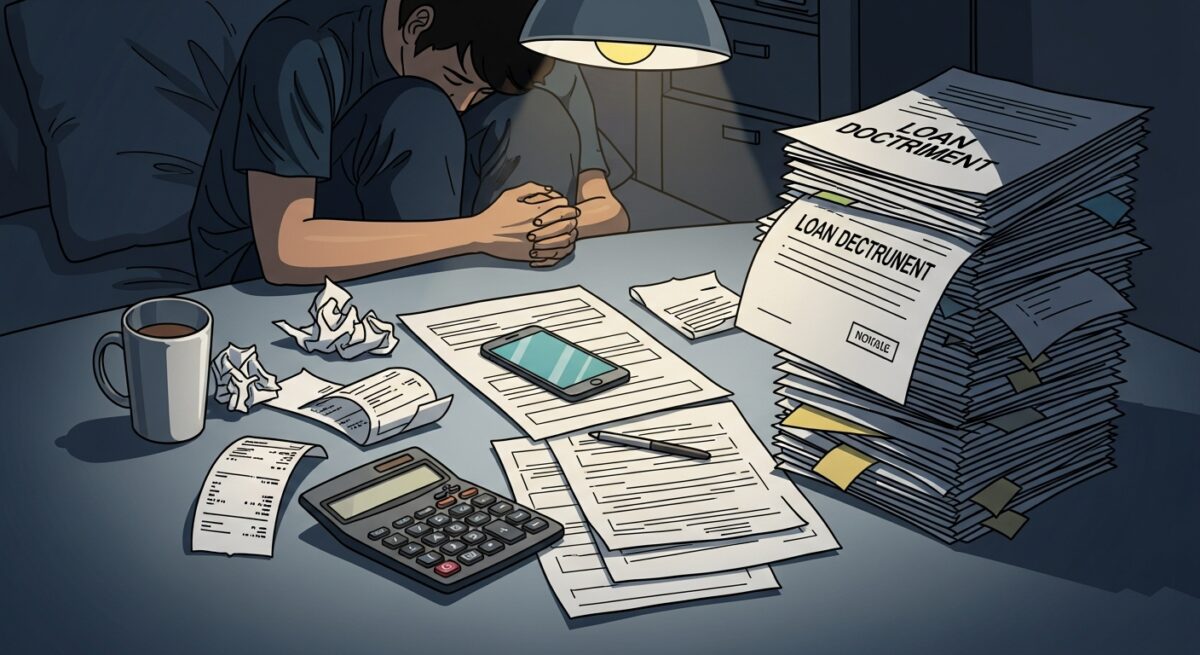

Missing a payment on an advance cash loan, such as a payday or short-term loan, can trigger a cascade of negative financial consequences. The immediate stress of a missed due date is often just the beginning. Understanding the precise sequence of events and your options is crucial to managing the situation and mitigating long-term damage to your finances. This guide details what happens if you cannot repay an advance cash loan on time, from the initial fees to potential legal action, and provides a clear path forward.
The Immediate Aftermath of a Missed Payment
When your payment due date passes without the required funds being transferred, the lender’s processes activate automatically. The first thing you will likely encounter is a series of communications from the lender. These may start as polite payment reminders via email, text, or phone call. However, if the account remains delinquent, the tone and frequency of these contacts will intensify rapidly. It is critical to understand that ignoring these communications is the worst possible course of action. Lenders are often more willing to work with borrowers who proactively reach out before an account becomes severely past due.
Simultaneously, financial penalties begin to accrue. The most common immediate consequence is a late fee. This fee is typically a fixed amount or a percentage of the missed payment, as outlined in your loan agreement. For many advance cash loans, this fee can be substantial, sometimes reaching up to $15 to $30 for every $100 borrowed. Furthermore, if your loan has a high annual percentage rate (APR), which is common with these products, interest continues to compound on the outstanding balance, including the late fee. This can cause the total amount you owe to balloon quickly, making it even harder to catch up. If you are seeking options with potentially more manageable terms, exploring the best advance cash loans for bad credit might provide alternative structures.
Escalation to Collections and Credit Reporting
If the loan remains unpaid for an extended period, usually 30 to 60 days past due, the lender will typically escalate the account. This marks a significant worsening of the situation with two primary repercussions: transfer to a collections department and negative credit reporting.
First, your account may be handed over to the lender’s internal collections team or sold to a third-party collection agency. Interactions will become more persistent and demanding. Collection agents may call you multiple times a day, at home and at work, within the limits of the Fair Debt Collection Practices Act (FDCPA). While you have rights that protect you from harassment, the process is stressful and intrusive.
Second, and most damaging for your long-term financial health, the delinquency will be reported to the national credit bureaus (Experian, Equifax, and TransUnion). A missed payment, especially one that is 60, 90, or 120 days late, severely damages your credit score. This negative mark can remain on your credit report for up to seven years, affecting your ability to secure future loans, credit cards, apartments, and even some jobs. Rebuilding credit after such an event is a long process. For those recovering from financial distress, understanding getting an advance cash loan after bankruptcy illustrates the challenges of accessing credit with a impaired history.
Potential for Legal Action and Wage Garnishment
When internal and third-party collection efforts fail, the lender may pursue legal recourse to recover the debt. This is a serious stage that involves the court system. The lender or collection agency can file a lawsuit against you to obtain a monetary judgment. If you are served with a lawsuit, you must respond by the deadline stated in the documents. Failing to appear in court or respond will almost certainly result in a default judgment in favor of the lender.
Once a judgment is granted, the lender has powerful legal tools to collect the debt. The most common method is wage garnishment. A court order will be sent to your employer, requiring them to withhold a portion of your disposable earnings each pay period and send it directly to the creditor until the judgment is satisfied. The amount that can be garnished is limited by federal and state law, but it creates ongoing financial strain. Other remedies include placing a lien on your property (like your home or car) or levying (seizing) funds from your bank account. These actions vary by state law, and some states offer more protections for borrowers than others. Residents of specific states, like those detailed in our resource on advance cash Nevada, should understand their local regulations.
Your Rights and Proactive Steps to Take
Facing loan repayment difficulty is daunting, but you are not without rights or options. Taking immediate, proactive steps can dramatically alter the outcome. Your first and most important action should be to contact your lender directly. Explain your financial hardship honestly. Many lenders have hardship programs or can offer a modified payment plan, such as an extended repayment plan (ERP), which allows you to pay back the loan over a longer period in smaller, more manageable installments.
You also have specific rights under laws like the FDCPA, which prohibits collectors from using abusive, unfair, or deceptive practices. They cannot threaten you with violence, use obscene language, or falsely claim you will be arrested. Knowing these rights empowers you to handle collections communications appropriately. Furthermore, consider seeking help from a non-profit credit counseling agency. A certified counselor can review your entire financial situation, help you create a budget, and may even negotiate with your lender on your behalf, often for a single monthly payment through a debt management plan (DMP).
If you are considering your next steps, here is a prioritized action plan to follow when you realize you cannot make a payment:
- Contact Your Lender Immediately: Do not wait for them to call you. Proactive communication is key to finding a solution.
- Review Your Loan Agreement: Understand the specific late fees, grace periods, and default terms you agreed to.
- Explore a Formal Repayment Plan: Ask the lender explicitly for a hardship extension or a formal extended payment arrangement.
- Seek Non-Profit Credit Counseling: Contact an agency like the National Foundation for Credit Counseling (NFCC) for free or low-cost advice.
- Know Your Legal Rights: Familiarize yourself with the FDCPA and your state’s laws regarding debt collection and garnishment.
Frequently Asked Questions
Can I go to jail for not repaying an advance cash loan?
No, you cannot be sent to jail for failing to repay a civil debt like a loan in the United States. Debtors’ prisons are illegal. However, a lender can sue you in civil court to obtain a judgment to collect the debt through means like wage garnishment.
How long does a defaulted loan stay on my credit report?
A delinquent account that has been charged off or sent to collections will generally remain on your credit report for seven years from the date of the first missed payment that led to the default status.
What is a debt settlement, and is it a good option?
Debt settlement involves negotiating with the lender to pay a lump sum that is less than the full amount you owe to settle the debt. While it can resolve the debt for less, it has significant downsides: it will hurt your credit score, you may owe taxes on the forgiven debt, and there are many disreputable settlement companies. It should be considered carefully, often as a last resort before bankruptcy.
Will the lender automatically renew or roll over my loan if I can’t pay?
Some state laws allow for a rollover or renewal, but this is a dangerous trap. It typically involves paying only the fees to extend the due date while the principal and new interest continue to accrue, creating a cycle of debt. It is almost always better to seek a formal extended repayment plan instead.
Can I get another loan to pay off the first one?
Taking a new loan to pay off an old one, especially from another high-cost lender, is known as loan stacking or flipping and is extremely risky. It often leads to a deeper debt spiral. A debt management plan through a credit counselor is a far safer alternative for consolidating payments.
Falling behind on an advance cash loan is a serious financial setback, but it is not insurmountable. The path forward requires you to shift from avoidance to engaged action. By communicating with your lender, understanding your rights, and seeking professional, non-profit guidance, you can navigate this challenge, stop the cycle of fees, and develop a realistic plan to resolve the debt. Your financial recovery begins with a single, proactive step.


About Tessa Caldwell
Related Posts