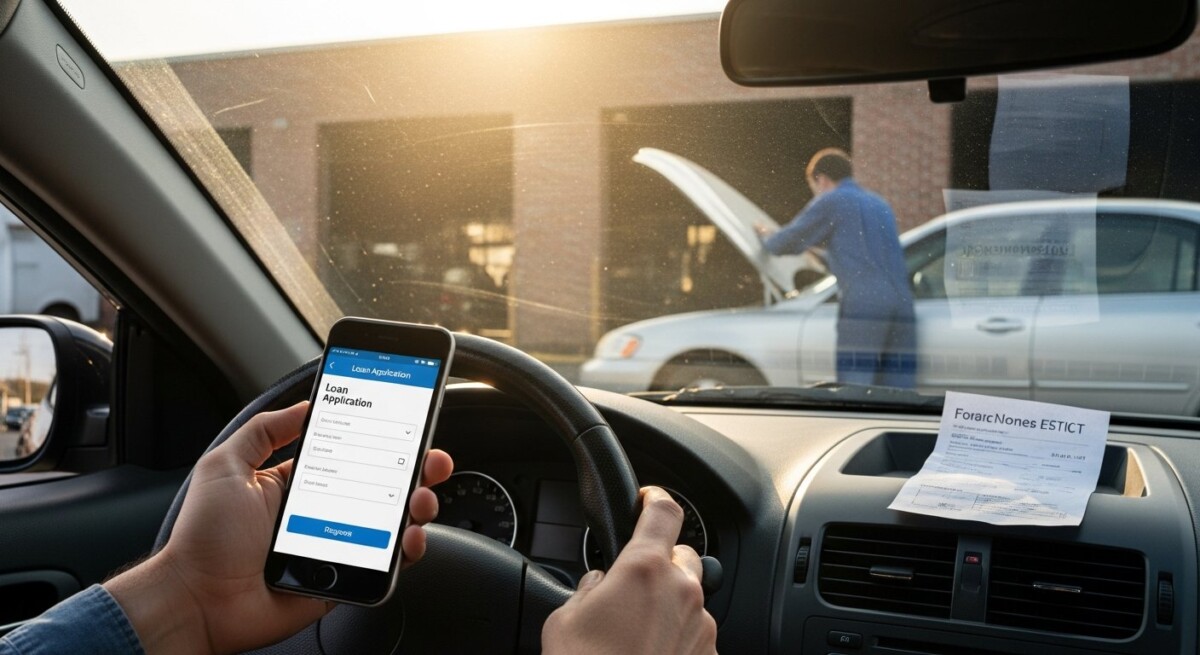

Imagine your car breaks down on a Tuesday morning. The repair shop says it will cost $600 to fix. Your next paycheck is still a week away. You start searching online for solutions and type a simple question: can advance cash affect credit score? This is a common thought for many people facing urgent bills, medical costs, or unexpected home repairs. Short-term loans can feel like a lifeline, but it is smart to understand how they work before you apply.
Understanding Can Advance Cash Affect Credit Score
When people ask can advance cash affect credit score, they are usually referring to short-term loans that provide quick funds before your next payday. These loans include payday loans, cash advances from credit cards, and online installment loans. The main idea is simple: you borrow a small amount of money and repay it within a short period, often two to four weeks.
Most lenders offering advance cash do not run a traditional hard credit check that would lower your score. Instead, they look at your income and ability to repay. However, the way you handle repayment can have a big effect on your credit. If you pay on time, your credit score may not be impacted at all. But if you miss payments or default, the lender may send your debt to a collection agency, which can damage your credit.
How Lenders Check Your Credit
Many short-term lenders use alternative data sources to verify your identity and income. They may check your bank account or ask for pay stubs. This means the initial approval process rarely hurts your credit score. Still, it is important to read the fine print because some lenders do perform a soft pull that does not affect your score.
When People Consider Short-Term Loans
Life throws unexpected expenses at everyone. A sudden medical bill, a broken refrigerator, or a last-minute school fee can leave you scrambling for cash. In these moments, short-term loans become a practical option for people who need money fast.
Borrowers often turn to advance cash when they have no emergency fund or when their credit card is maxed out. The goal is to cover the urgent cost and repay the loan with the next paycheck. While this can solve a short-term problem, it is essential to plan for repayment to avoid extra fees or debt cycles.
- Unexpected car repairs or towing fees
- Urgent home repairs like a leaking roof or broken heater
- Temporary cash shortages between paychecks
- Medical expenses not covered by insurance
- Emergency travel costs for a family crisis
If you are exploring short-term loan options, comparing lenders can help you find the right solution. Request loan offers or call to review available options.
Common Types of Short-Term Loans
Not all short-term loans work the same way. Knowing the differences can help you choose a loan that fits your situation. The most common types include payday loans, installment loans, personal cash advances, and online short-term loans.
Payday loans are usually for small amounts, often under $500, and are due on your next payday. Installment loans allow you to repay the loan over several months in fixed payments. Personal cash advances can come from your credit card or a separate lender. Online short-term loans let you apply from home and receive funds quickly.
- Payday loans: Small amounts, short repayment period, high fees
- Installment loans: Larger amounts, longer repayment terms, fixed monthly payments
- Personal cash advances: Borrow against your credit card limit, often with high interest
- Online short-term loans: Fast application, direct deposit, varying terms
How the Loan Application Process Works
Applying for an advance cash loan is usually straightforward. Most lenders have an online form that takes just a few minutes to fill out. You will need to provide basic personal information, proof of income, and a valid bank account.
Once you submit your request, the lender reviews your details and decides whether to approve your loan. If approved, you will receive a loan offer with the amount, fees, and repayment date. After you accept, funds are often deposited into your bank account by the next business day.
- Submit a loan request online with your personal and financial details
- Provide income information such as pay stubs or bank statements
- Lender reviews your application and checks your repayment ability
- Receive loan offers with terms and conditions to review
- Accept the offer and receive funds via direct deposit
Comparing multiple lenders can help you find loan terms that match your situation. Compare loan offers or call to explore available funding options.
Factors Lenders May Consider
Short-term lenders focus more on your current financial situation than your credit history. They want to know that you have a steady income and can repay the loan on time. This makes these loans accessible to people with less-than-perfect credit.
Some lenders may still check your credit report to see if you have recent defaults or bankruptcies. But for most advance cash loans, your income and bank account activity are the main factors. If you have a job and an active checking account, you have a good chance of approval.
- Income verification , steady paycheck or benefits
- Employment status , full-time, part-time, or self-employed
- Credit history , may be checked but not always required
- Repayment ability , your income vs. your monthly expenses
Understanding Loan Costs and Terms
Short-term loans often come with higher interest rates than traditional bank loans. This is because lenders take on more risk by lending to people who may have lower credit scores. The fees are usually expressed as a dollar amount per $100 borrowed.
For example, a payday loan might charge $15 for every $100 borrowed for two weeks. That equals an annual percentage rate (APR) of nearly 400%. Installment loans have lower APRs but still cost more than a credit card. Always read the loan agreement carefully before signing.
Repayment periods vary. Payday loans are usually due in full on your next payday. Installment loans give you several months to repay. Some lenders charge a fee if you pay late or if you want to extend the loan. Understanding these costs helps you avoid surprises.
Loan terms can vary between lenders. Check available loan offers or call to review possible options.
Tips for Choosing the Right Loan Option
Choosing the right loan starts with knowing your needs. Ask yourself how much money you need and how quickly you can repay it. If you can repay the loan within two weeks, a payday loan might work. If you need more time, look for an installment loan with lower monthly payments.
Always compare offers from multiple lenders. Look at the total cost of the loan, including fees and interest. A lender with a lower fee can save you money. Also, check the repayment schedule to make sure it fits your budget.
- Review repayment terms , know when and how much you must pay
- Compare multiple lenders , check fees, APRs, and customer reviews
- Borrow only what is needed , avoid taking extra money you do not require
- Plan repayment carefully , set aside funds before the due date
Responsible Borrowing and Financial Planning
Short-term loans are a tool, not a long-term solution. Using them responsibly means borrowing only when you have a clear plan to repay. If you find yourself needing advance cash often, it may be time to look at your overall budget.
Building an emergency fund, even with small amounts, can reduce your need for loans in the future. Start by setting aside $10 or $20 each week. Over time, this can grow into a cushion that helps you handle unexpected expenses without borrowing.
If you do take out a loan, make repayment your top priority. Set a reminder on your phone or mark the due date on your calendar. Paying on time protects your credit and helps you avoid late fees. Responsible borrowing keeps your finances healthy and your stress low.
Can advance cash affect credit score if I pay late?
Yes, paying late can affect your credit score. If a lender reports your late payment to a credit bureau, your score may drop. Some lenders do not report to credit bureaus at all, but if your account goes to collections, that will appear on your credit report and lower your score.
Will applying for advance cash hurt my credit score?
Typically, no. Most short-term lenders perform a soft credit check or no check at all. Soft checks do not affect your credit score. However, if you apply with a traditional lender that runs a hard inquiry, your score might drop by a few points temporarily.
How much can I borrow with an advance cash loan?
Loan amounts vary by lender and state laws. Payday loans are usually between $100 and $500. Installment loans can range from $500 to $5,000 or more. Online lenders may offer amounts up to $50,000, depending on your income and credit history.
Do I need good credit to get an advance cash loan?
No, you do not need good credit. Many short-term lenders accept borrowers with poor credit or no credit history. They focus on your income and ability to repay. This makes advance cash loans accessible to a wide range of people.
How long does it take to get funds from an advance cash loan?
If you apply online and are approved, funds can be deposited into your bank account as soon as the next business day. Some lenders offer same-day funding if you apply early in the day. The exact timing depends on the lender and your bank.
What happens if I cannot repay my advance cash loan on time?
If you cannot repay on time, contact your lender immediately. Some lenders offer extensions or payment plans, but they may charge additional fees. If you do not pay, the lender may send your account to a collection agency, which can hurt your credit score.
Can I get an advance cash loan if I am self-employed?
Yes, self-employed individuals can qualify for advance cash loans. You will need to provide proof of income, such as bank statements or tax returns. Lenders want to see that you have a steady cash flow to repay the loan.
Are advance cash loans the same as payday loans?
Not exactly. Payday loans are a type of advance cash loan, but the term “advance cash” can also include installment loans and cash advances from credit cards. Payday loans are usually due in full on your next payday, while installment loans allow you to pay over time.
Choosing the right financial solution starts with understanding your options. If you are facing an urgent expense, take time to compare lenders, read the loan terms carefully, and borrow only what you can repay. A short-term loan can help you bridge a gap, but planning ahead keeps your finances on solid ground.


About Sophia Hayes
Related Posts